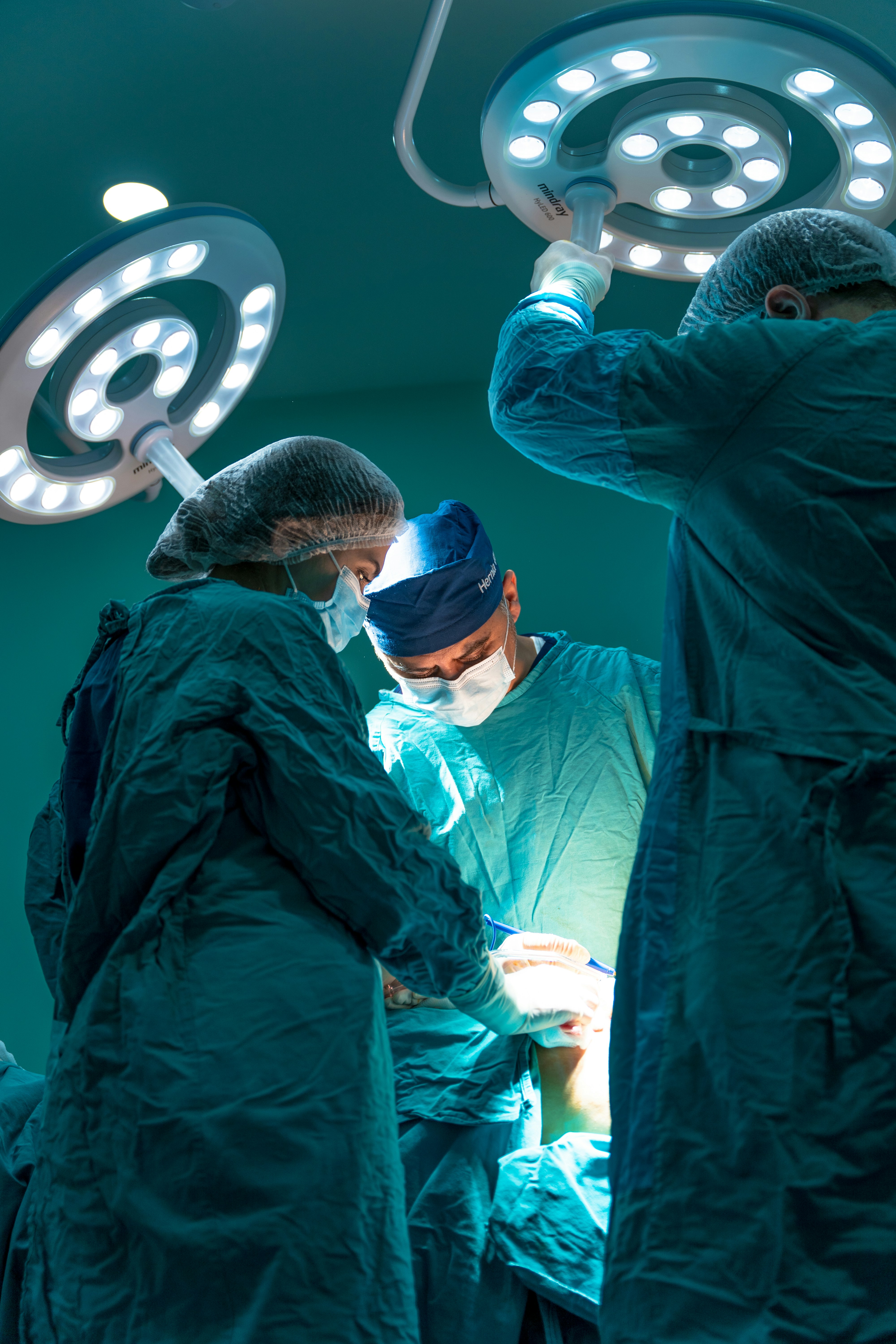
Our Neurosurgery service provides specialist assessment, diagnosis and treatment for conditions affecting the brain, spinal cord, spine and peripheral nervous system. We provide patient-centred care throughout the treatment journey, from your initial consultation and diagnostic investigations through treatment, recovery and follow-up. Where surgery is not required or is not the most appropriate option, we consider non-surgical treatment and specialist referral where appropriate.
Recovery following neurosurgery varies considerably depending on the type of condition, procedure and individual patient.

Specialist assessment, diagnosis and treatment for conditions affecting the brain, spinal cord, spine and peripheral nerves, delivered with a patient-centred approach.
Our Neurosurgery service provides specialist assessment, diagnosis and treatment for conditions affecting the brain, spinal cord, spine and peripheral nervous system.
We understand that neurological conditions can be concerning for patients and their families. Our approach focuses on careful assessment, clear communication and personalised treatment planning.
Where appropriate, patients may receive non-surgical management, specialist monitoring, surgical treatment or referral to other members of the multidisciplinary team.
Our service provides assessment and management for a range of conditions affecting the brain, spine, spinal cord and peripheral nervous system.
Assessment and treatment of selected conditions affecting the brain and structures surrounding it.
Specialist assessment of conditions affecting the spine, spinal cord and associated nerves.
Specialist assessment of selected abnormalities affecting blood vessels of the brain and spinal cord.
Assessment of selected conditions affecting nerves outside the brain and spinal cord.
Specialist assessment of selected head and brain injuries where neurosurgical input is required.
Specialist assessment for selected neurological causes of persistent facial pain.
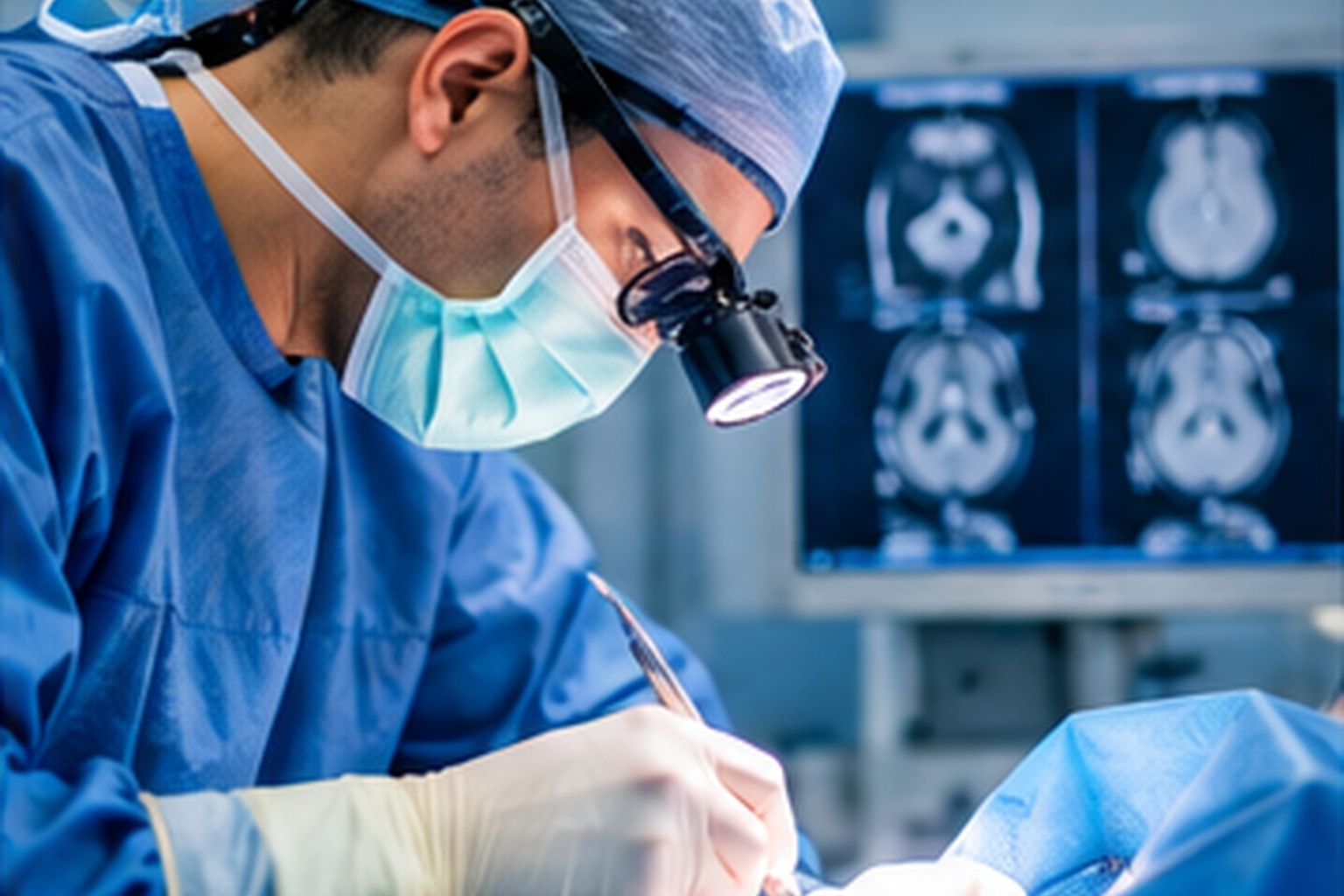
Brain and cranial neurosurgery involves specialist assessment and surgical management of selected conditions affecting the brain, skull and skull base.
Treatment is carefully planned according to the diagnosis, location and characteristics of the condition and the individual patient's circumstances.
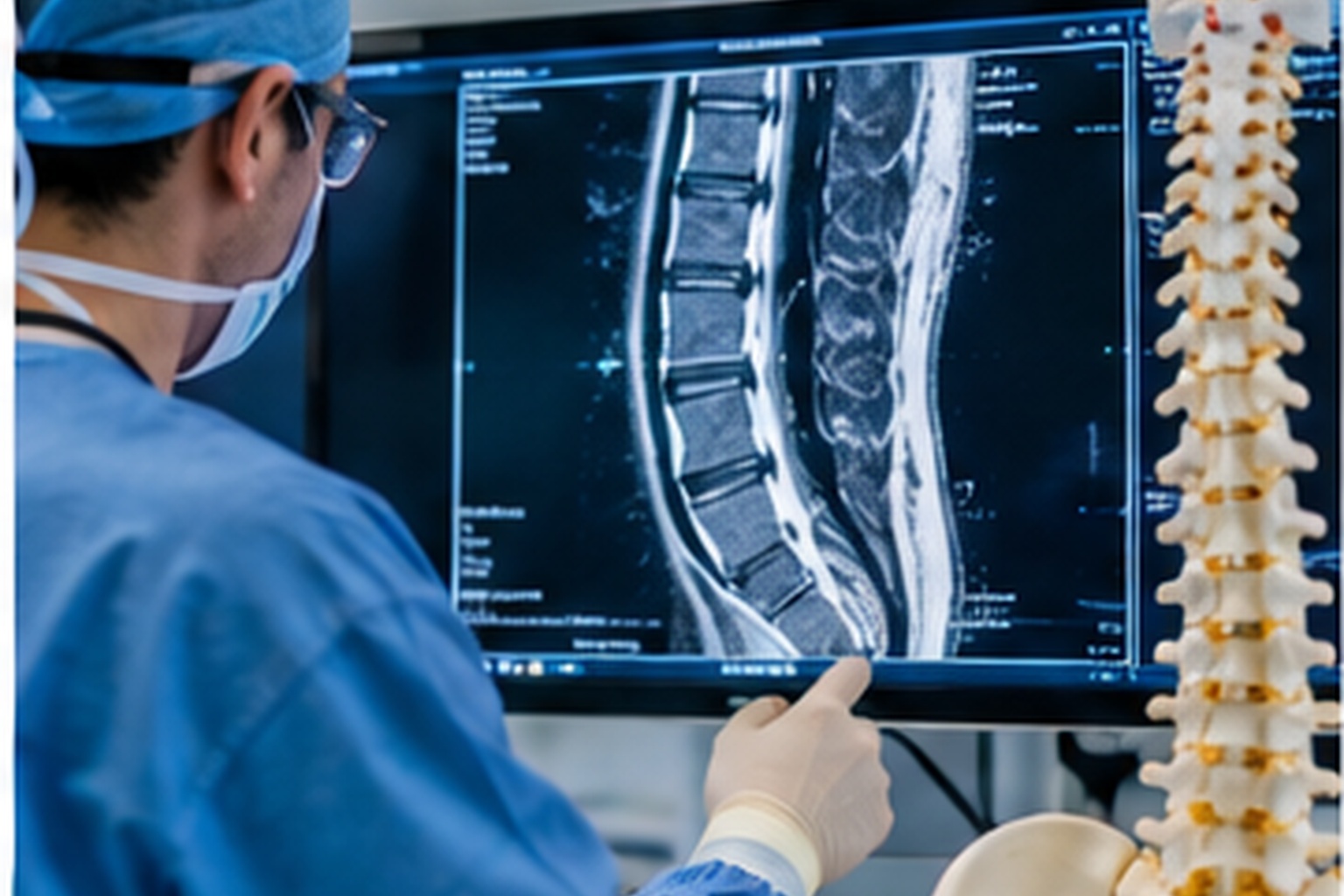
Spinal neurosurgery may be considered for selected conditions affecting the spine, spinal cord or nerves where specialist surgical treatment is appropriate.
Your specialist will assess your symptoms, examination findings and imaging before discussing the most suitable treatment options.
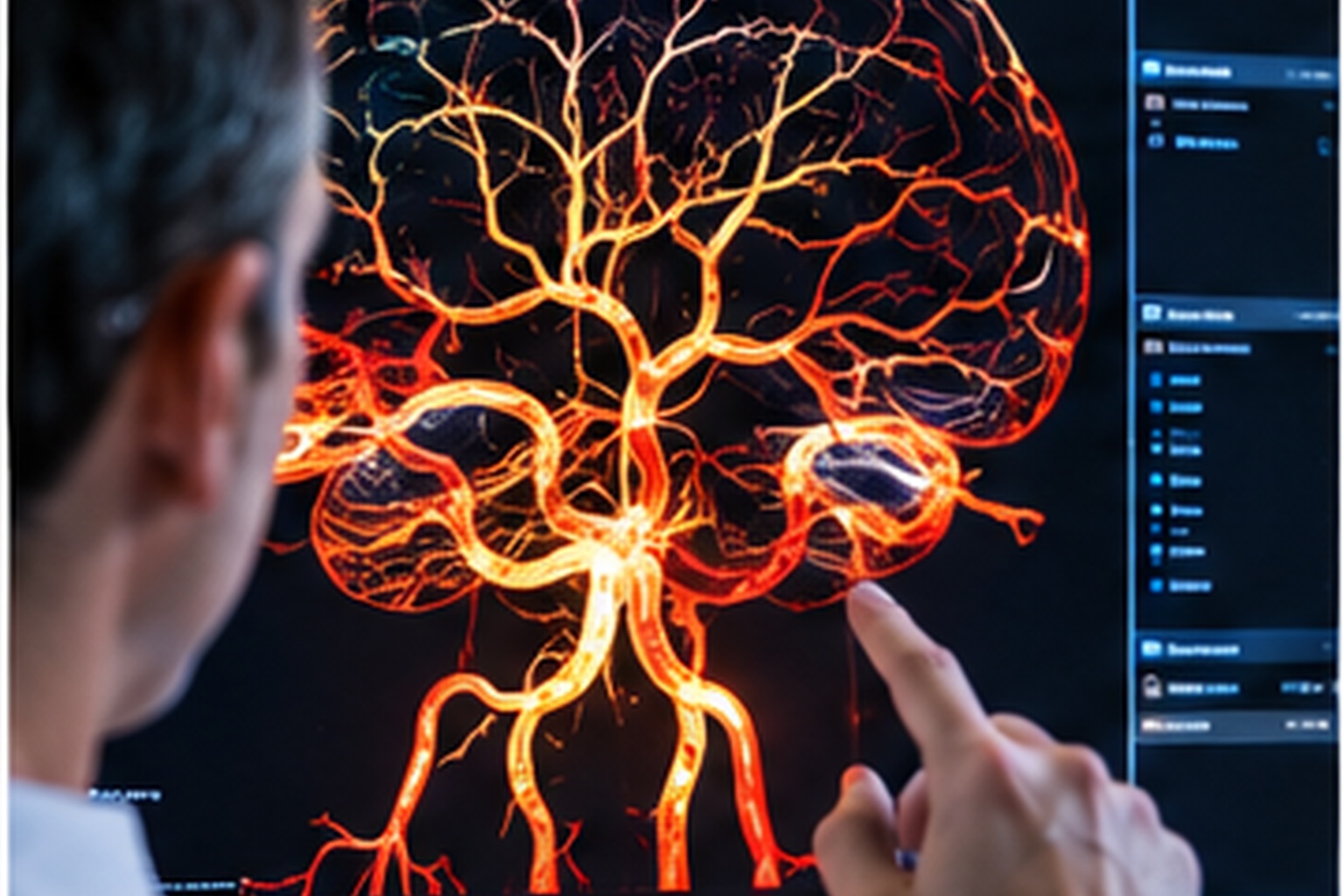
Certain conditions affecting the blood vessels of the brain and spinal cord require specialist assessment by a coordinated neurovascular team.
Depending on the condition, management may involve observation, endovascular treatment, surgery or a combination of specialist approaches.
Understanding the cause of your symptoms is an important part of neurosurgical care. Your assessment will be tailored to your medical history, symptoms and clinical findings.
Detailed discussion of your symptoms, previous conditions and relevant medical history.
Neurological and physical examination appropriate to your symptoms.
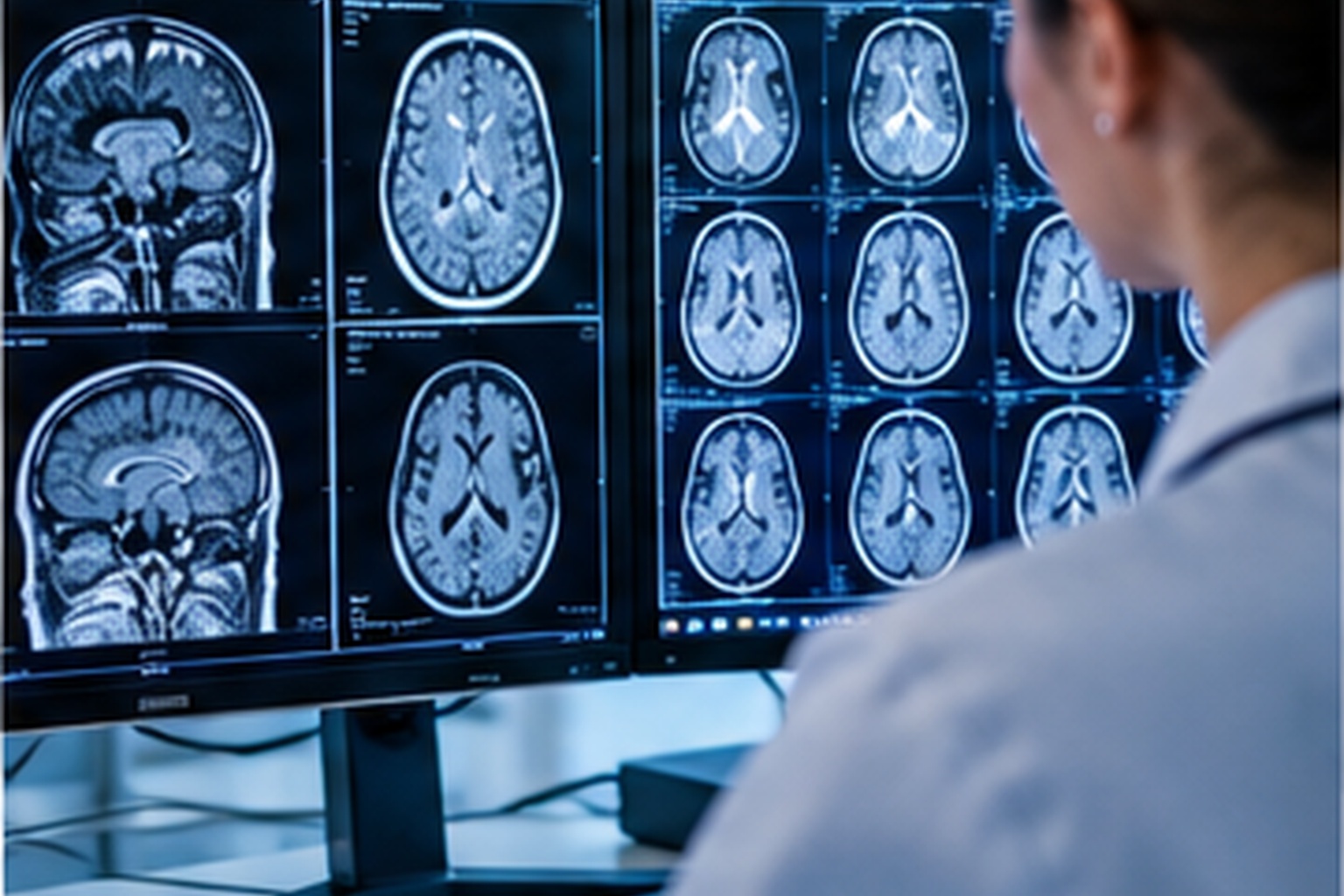
Specialist imaging may be used to provide detailed information about the brain or spine.
Further tests may be recommended when clinically appropriate.
Complex cases may be reviewed with other specialist healthcare professionals.
Not every neurosurgical condition requires an operation. Treatment recommendations depend on your diagnosis, symptoms, investigations and overall health.
Medication, observation, physiotherapy, rehabilitation and other appropriate treatments.
Surgical procedures may be considered when clinically appropriate.
Some conditions may be monitored with clinical reviews and appropriate investigations.
Coordinated treatment involving relevant specialist healthcare teams.
Your consultation is an opportunity to understand your symptoms, diagnosis and available treatment options. Your specialist will discuss your individual circumstances and answer your questions.
Tell your specialist about your symptoms, concerns and how they affect your daily life.
Your medical history and relevant clinical findings will be reviewed.
Your specialist may recommend imaging or other investigations where appropriate.
Treatment options and appropriate follow-up will be discussed with you.
Recovery after neurosurgery varies depending on the type of procedure, the underlying condition and the individual patient.
Your healthcare team will provide appropriate advice about recovery, follow-up appointments and rehabilitation where required.
Appropriate monitoring following treatment.
Advice about medicines and pain management.
Rehabilitation support where clinically appropriate.
Planned reviews and investigations where needed.
Some neurological symptoms may require urgent medical assessment rather than a routine neurosurgery appointment.
If you or someone else is experiencing a life-threatening emergency in the UK, call 999 or attend the nearest Emergency Department.
For urgent but non-life-threatening medical advice, NHS 111 may be appropriate.
NHS 111We aim to provide clear communication, careful assessment and coordinated specialist care throughout your treatment journey.
If you have been referred for neurosurgical assessment or would like to discuss your symptoms with a specialist, arrange a consultation with our team.
34 Wellington St, Leeds LS1 4DL, England, United Kingdom.
contactus@bayhealth.uk
+44-1138689310
2026 © Bayhealth Hospital . All Rights Reserved.
Designed by Techggigs. .